
Nonprofit Best Practices: Building a Resilient Organization
Building a resilient, sustainable, and impactful organization requires a strong operational foundation. The Nonprofit Best Practices section provides leadership teams and board members with proven frameworks to optimize performance and scale their mission.
Implementing structured operational workflows allows mission-driven teams to transition from reactive day-to-day management to proactive, long-term community stewardship. Explore the core pillars below to strengthen your internal systems and maximize your social return on investment.
The Tool Kit: Guide for Volunteers | Nonprofit Best Practices | The Donor’s Handbook
Nonprofit Best Practices: Building a Resilient Organization
Strategic Governance
A thriving nonprofit begins in the boardroom. Strategic governance ensures that your organization stays true to its core mission while maintaining rigorous accountability and legal integrity.
- Engaged Leadership: Cultivate a diverse board of directors whose members bring a mix of lived experience, professional expertise, and a genuine passion for the cause.
- Fiduciary Oversight: Establish clear protocols for monitoring organizational assets, approving annual budgets, and reviewing financial statements regularly.
- Legal & Regulatory Compliance: Maintain strict adherence to local, state, and federal requirements, including annual filings, maintaining tax-exempt status, and transparent public reporting.
- What is Comprehensive Sponsorship (Model A) Fiscal Sponsorship?
- Using Fiscal Sponsorship to Green California Communities
- Fiscal Sponsorship for Community Greening Projects in California
- Fiscal Sponsorship FAQs: Frequently Asked Questions
- Greening Projects: Fiscal Sponsorship Services
- Fiscal Sponsorship for California Urban Greening: A Complete Guide
- Board Development: Implement structured onboarding, ongoing training, and regular self-assessment processes to prevent burnout and foster active participation.
Financial Management
Long-term impact relies entirely on financial health. Robust financial management goes beyond basic bookkeeping to encompass diversified revenue generation, risk mitigation, and absolute transparency.
- Budgeting & Cash Flow: Build realistic, data-driven operating budgets with designated reserves to navigate seasonal fluctuations and unexpected funding delays.
- Revenue Diversification: Reduce organizational vulnerability by balancing grant funding, individual donations, corporate sponsorships, and earned-income streams.
- Internal Controls: Establish dual-authorization protocols for expenditures, clear expense-reporting guidelines, and regular independent audits or financial reviews.
- Transparent Reporting: Communicate financial health clearly to donors, grantmakers, and the community to build enduring trust and credibility.
Impact Measurement
Proving your value to the community requires more than good intentions; it requires data. Impact measurement frameworks help organizations evaluate their programs honestly and communicate results clearly to stakeholders.
- Defining Key Performance Indicators (KPIs): Establish clear, measurable metrics that directly tie to your organizational mission rather than merely tracking operational outputs.
- Outcome Tracking: Implement consistent data collection methods to monitor qualitative and quantitative progress over time.
- Continuous Improvement: Use evaluation insights to adapt programs, eliminate ineffective strategies, and double down on what works best.
- Stakeholder Communication: Translate complex data points into compelling impact reports, annual updates, and storytelling assets for donors and community partners.
Capacity Building
To scale your mission, you must first support the infrastructure that powers it. Capacity building focuses on strengthening your team, upgrading your tools, and streamlining daily operations.
- Operational Scaling: Design repeatable, documented workflows that allow programs to grow without sacrificing quality or overwhelming staff.
- Staff Retention & Support: Prioritize fair compensation, professional development, and workplace culture to retain passionate talent and prevent burnout.
- Technology Integration: Leverage modern digital tools, project management software, and automated workflows to reduce administrative friction and save time.
- Strategic Partnerships: Collaborate with peer organizations, fiscal sponsors, and community networks to share resources, amplify advocacy efforts, and reduce operational redundancy.
Volunteer Engagement & Mobilization
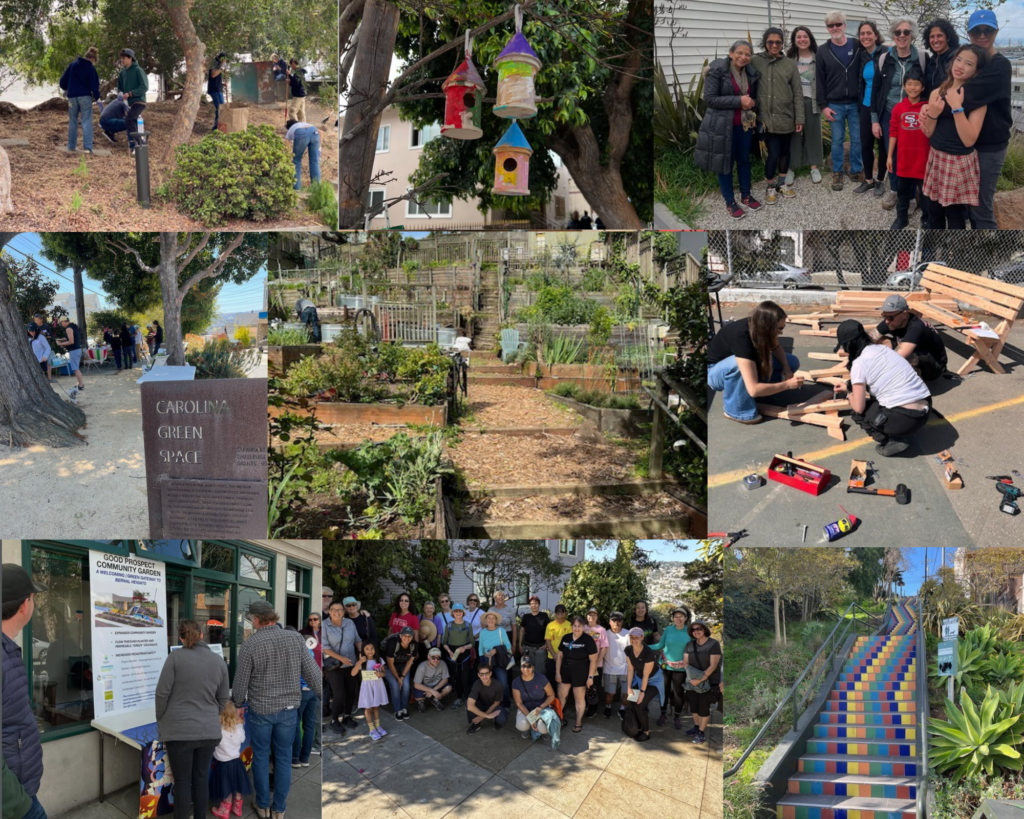
For grassroots organizations and community-led initiatives, volunteers are the lifeblood of daily operations and long-term momentum. Building a resilient organization requires treating volunteer management with the same strategic care as financial oversight and board governance.
- Structured Onboarding & Pathways: Create clear, accessible entry points for new supporters. Outline specific roles ranging from one-time event assistance to ongoing project stewardship so community members can easily find where their skills align.
- Training & Safety Protocols: Implement consistent safety guidelines and hands-on site orientation. Equipping volunteers with proper training protects participants, ensures high-quality project execution, and builds confidence.
- Retention & Recognition: Cultivate a welcoming culture that values people’s time and energy. Regularly celebrate milestones, share the tangible impact of collective efforts, and offer pathways for dedicated volunteers to step into leadership or coordination roles.
- Data & Communication: Maintain an organized system to track volunteer participation, schedule workdays, and keep communication channels active. Consistent, appreciative follow-ups turn casual participants into lifelong advocates for the mission.