
Fiscal Sponsorship for California Urban Greening: A Complete Guide
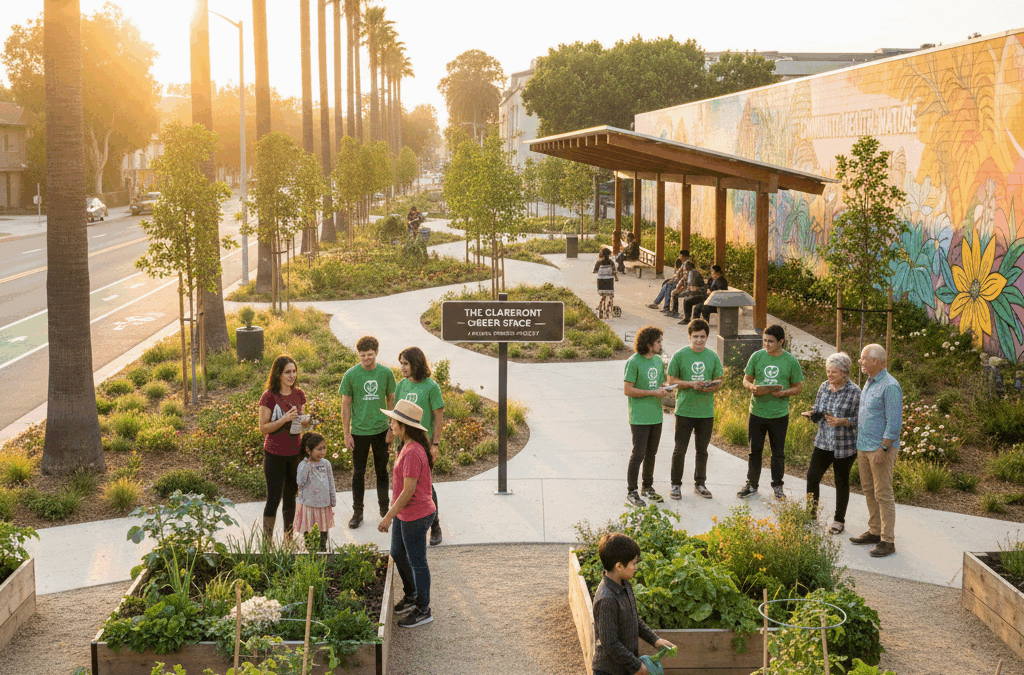
Creating urban green spaces in California is a critical strategy for climate resilience. Beyond aesthetics, parks and tree canopies mitigate the “heat island” effect, improve air quality, and foster community health. For grassroots leaders, fiscal sponsorship is the most efficient bridge between a vision and a finished park, allowing you to bypass the lengthy process of 501(c)(3) incorporation.
What is Fiscal Sponsorship for California Green Spaces?
Fiscal sponsorship allows emerging environmental groups to operate under the tax-exempt status of an established nonprofit. This is a game-changer for California urban greening projects that need to move quickly on land opportunities or grant cycles.
Key Benefits for Park and Garden Projects:
- Instant Credibility: Apply for state grants (like CalFire or CNRA) that require tax-exempt status.
- Administrative Relief: Your sponsor handles accounting, HR, and 990 filings.
- Grant Management: Sponsors navigate the complex compliance of California climate investments.
- Tax-Deductible Donations: Accept private donations immediately to fund design and site prep.
California-Specific Funding & Project Types
California leads the nation in dedicated funding for “Frontline Communities” – areas most impacted by climate change. Leveraging a fiscal sponsor helps you access these specific streams:
| Project Type | Common California Funding Sources |
| Urban Tree Planting | CAL FIRE Urban & Community Forestry Grants |
| Community Gardens | CDFA Specialty Crop Block Grants / Local Measures |
| Climate Corridors | California Natural Resources Agency (CNRA) Grants |
| Pocket Parks | Statewide Park Development & Revitalization Program (SPP) |
Pro Tip: Many California state grants prioritize Environmental Justice (EJ) areas. A fiscal sponsor with an EJ focus can significantly strengthen your application’s “Capacity” score.
Choosing a Sponsor: Essential Questions for Green Leaders
Not all sponsors understand the nuances of green infrastructure. Because these projects involve public land and long-term liability, ask potential partners:
Grant Compliance: “Do you have experience managing reimbursement-based state grants (common in California)?”
Liability & Permits: “How do you handle insurance for volunteer planting days or construction on city-owned land?”
Land Stewardship: “Can you help manage long-term maintenance agreements with local municipalities?”
Equity Alignment: “How does your portfolio reflect California’s commitment to park equity?”
Checklist: Is Your Green Project “Sponsor-Ready”?
Before approaching Greening Projects or other sponsors, ensure you have the following “Green-Ready” elements:
[ ] Site Identification: A specific lot, schoolyard, or street corridor.
[ ] Community Buy-in: Evidence of local support (letters, petition, or meeting notes).
[ ] Conceptual Plan: A basic map or list of goals (e.g., “50 shade trees” or “ADA-accessible garden”).
[ ] Preliminary Budget: Estimates for materials, labor, and long-term stewardship.
[ ] Equity Metrics: Data showing how the project reduces heat or increases park access in under-resourced tracts.
Long-Term Impact: Sustaining California’s Canopy
Fiscal sponsorship isn’t just a “starter” phase; it is a sustainable model for growth. It allows local coalitions to remain focused on community organizing and environmental stewardship while a professional backbone handles the “red tape.” Whether you eventually become an independent nonprofit or remain under a sponsor’s umbrella, this partnership ensures that your green space thrives for generations.
Partner with Greening Projects
Ready to transform a vacant lot or heat-stressed street? Greening Projects specializes in the unique logistics of California’s environmental landscape. We provide the fiduciary oversight and strategic connections necessary to turn “ideas” into “ribbon-cuttings.”Contact Greening Projects today to discuss your vision for a cooler, greener California.
Fiscal Sponsorship FAQs: Frequently Asked Questions
Greening Projects is a dedicated nonprofit organization focused on transforming urban environments into vibrant, sustainable community spaces. By converting underutilized urban land into public parks, community gardens, and native habitat corridors, the organization works to enhance local biodiversity and climate equity.
Through collaborative efforts with community members and donors, Greening Projects aims to create lasting, multi-generational legacies of environmental health and beauty.