
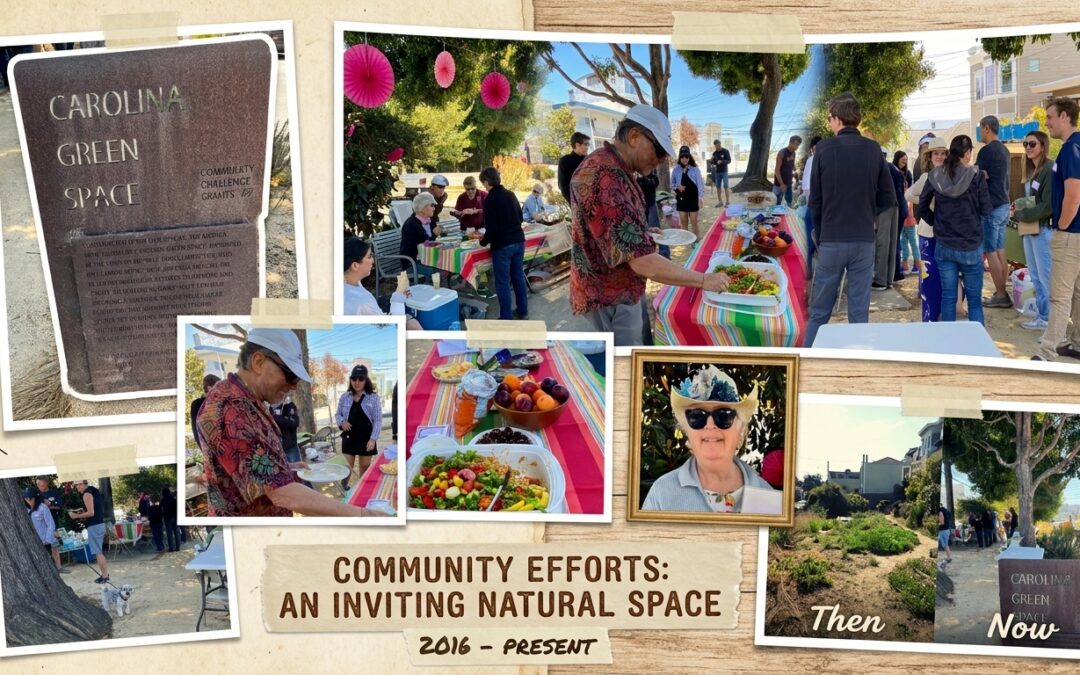
Community-Led Urban Greening: How Volunteer Stewardship Sustains Public Plazas
Urban green spaces depend on continuous volunteer maintenance to survive because municipal funding rarely covers post-installation plant care. While cities frequently grant permits for quick-build pop-up plazas, the daily responsibility for watering, weeding, and maintenance falls entirely on community stewards. Without structured volunteer programs and local non-profit partnerships, tactical urban greening projects deteriorate rapidly after installation.
What Is Tactical Urbanism in Quick-Build Public Plazas?
Tactical urbanism is an approach to city planning that uses short-term, low-cost, scalable interventions to test spatial design changes before committing permanent municipal capital. Quick-build public plazas deploy moveable planters, seating, and native greenery on top of existing paved infrastructure without interrupting established community uses.
Tactical Urbanism Execution Steps:
1. Site Selection & Permitting: Obtain municipal right-of-way approvals.
2. Low-Cost Deployment: Add temporary planters, seating, and trees.
3. Real-Time Testing: Evaluate public usage and gather local feedback.
4. Permanent Buildout: Secure capital funding based on demonstrated success.
Key Components of Quick-Build Plazas
- Real-Time Spatial Testing: Neighbors interact with physical enhancements rather than reviewing architectural renderings.
- Flexible Spatial Layouts: Planters, young trees, and seating can be repositioned based on public usage trends and safety requirements.
- Preservation of Multi-Use Functions: Activations layer green elements onto existing public spaces without displacing activities like bicycling or roller skating.
- Cost Efficiency: Tactical installations establish proof of concept using accessible materials before cities allocate major capital expenditure.
A primary example is the public plaza at the Bernal Heights Recreation Center in San Francisco. A collaboration between the Civic Joy Fund, Greening Projects, and the San Francisco Recreation and Park Department added planters, young trees, outdoor seating, and a nature play area to the site while preserving its original use for biking and skating.
Why Municipal Greening Projects Require Community Stewardship
City agencies grant quick-build permits for pop-up plazas, but municipal agreements explicitly transfer the ongoing physical maintenance to permit holders and community partners. Municipal park departments and transit authorities typically do not provide municipal watering crews or routine weeding for temporary tactical urbanism sites.
“The city will let you install a pop-up green space on public property, but it won’t water it for you,” explained Ariel Vaughan of the Civic Joy Fund during an interview on Bernal Connect. “That job falls to whoever holds the permit, which means someone has to show up for weeding, watering, and the occasional fight with gravel that’s wandered somewhere it shouldn’t be.”
Without dedicated volunteer networks, new plantings in urban plazas suffer high mortality rates within the first dry season, leading to abandoned infrastructure.
How Organizations Partner to Build Sustainable Urban Spaces
Sustainable urban greening requires a structured ecosystem combining non-profit funding, technical execution, municipal land oversight, and neighborhood volunteer power. Each organization fulfills a specific operational role to ensure both installation and long-term survival.
Core Stakeholder Roles in Urban Greening Partnerships
- Funding and Activation Organizations: Groups like the Civic Joy Fund provide early-stage capital, fund local artists, and organize community events to drive foot traffic to new plazas.
- Environmental Non-Profits: Organizations like Greening Projects handle technical design, plant selection, soil preparation, and installation logistics.
- Municipal Agencies: Departments like San Francisco Recreation and Park and the San Francisco Municipal Transportation Agency (SFMTA) manage right-of-way permits, safety evaluations, and permanent capital planning.
- Community Steward Networks: Neighborhood volunteers commit to recurring shifts to manage weekly watering and weeding, as well as ongoing site monitoring.
By combining resources, these partnerships turn short-term tactical projects into long-term community assets that can eventually become permanent city parks.
How to Build an Effective Volunteer Stewardship Program
An effective volunteer stewardship program relies on recurring scheduled shifts, integrated neighborhood events, and active data collection to turn casual visitors into long-term site caretakers. Unstructured volunteer drop-ins fail to provide the consistent care required to establish young trees and native plants.
Step-by-Step Stewardship Framework
- Implement Digital Shift Scheduling: Establish a clear sign-up system with designated morning and evening watering shifts. Shared schedules prevent gaps in plant care during high-temperature periods.
- Integrate Culture and Public Events: Host live music, local art events, and family activities alongside maintenance workdays. Combining maintenance with cultural events increases volunteer retention and builds community investment.
- Establish Site Feedback Loops: Train volunteer stewards to observe how visitors interact with the space. Stewards record critical spatial data, including seating usage, plant survival rates under local microclimates, and foot traffic patterns.
- Maintain Safety and Accessibility Standards: Conduct weekly checks to clear stray gravel, weed invasive species, and ensure pedestrian pathways remain clear for all community members.
Frequently Asked Questions About Urban Greening and Community Stewardship (FAQS)
What is a pop-up public plaza?
A pop-up public plaza is a temporary urban space created by converting underutilized streets, parking areas, or paved surfaces into community zones using moveable planters, seating, and native vegetation.
Who is responsible for watering plants in tactical urbanism projects?
Municipal permits require the permit holder, typically a local non-profit or community coalition, to handle routine watering and plant maintenance rather than city department staff.
How do quick-build plazas transition into permanent parks?
Quick-build plazas gather spatial usage data, demonstrate community demand, and refine design elements over time, providing non-profits and city agencies with the evidence needed to secure permanent capital funding.
How can local residents join community greening efforts?
Residents can sign up for weekly watering shifts, participate in monthly neighborhood workday events, attend public design feedback meetings, or join volunteer steward networks managed by local greening organizations.
Long-term urban transformation depends on direct local involvement, and keeping neighborhood spaces thriving requires active community participation. Sign up for a weekly watering shift, join an upcoming volunteer workday, or subscribe to the Greening Projects newsletter to help build and sustain green infrastructure across San Francisco.
Help Us Grow a Greener, Healthier San Francisco
Connect with us on LinkedIn: Greening Projects.
Greening Projects is a dedicated nonprofit organization focused on transforming urban environments into vibrant, sustainable community spaces. By converting underutilized urban land into public parks, community gardens, and native habitat corridors, the organization works to enhance local biodiversity and climate equity.
Through collaborative efforts with community members and donors, Greening Projects aims to create lasting, multi-generational legacies of environmental health and beauty.